
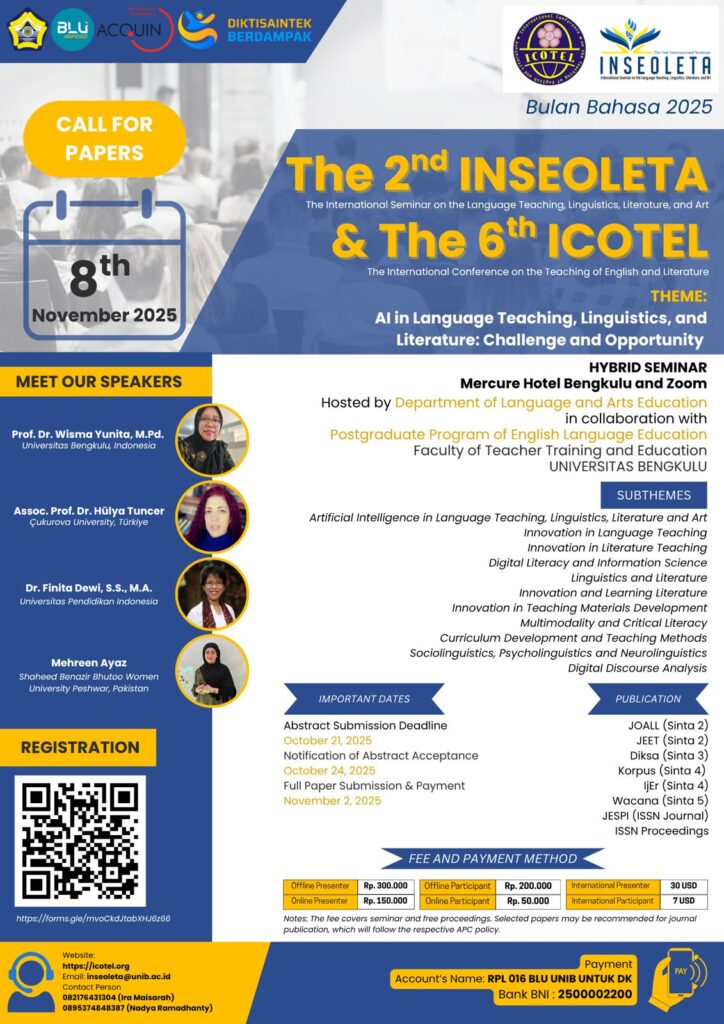
The 2nd International Seminar on Language Teaching, Linguistics, Literature, and Arts (2nd INSEOLETA)
In conjunction with
The 6th International Conference on the Teaching of English and Literature (6th ICOTEL)
THE 2ND INTERNATIONAL SEMINAR ON THE LANGUAGE TEACHING, LINGUISTICS, LITERATURE, AND ART (2nd inseoleta)
in conjunction with
The 6th International Conference on the Teaching of English and Literature (6th ICOTEL)
"AI in Language Teaching, Linguistics, and Literature: Challenge and Opportunity
Support by MIT Conference System
Keynote Speakers
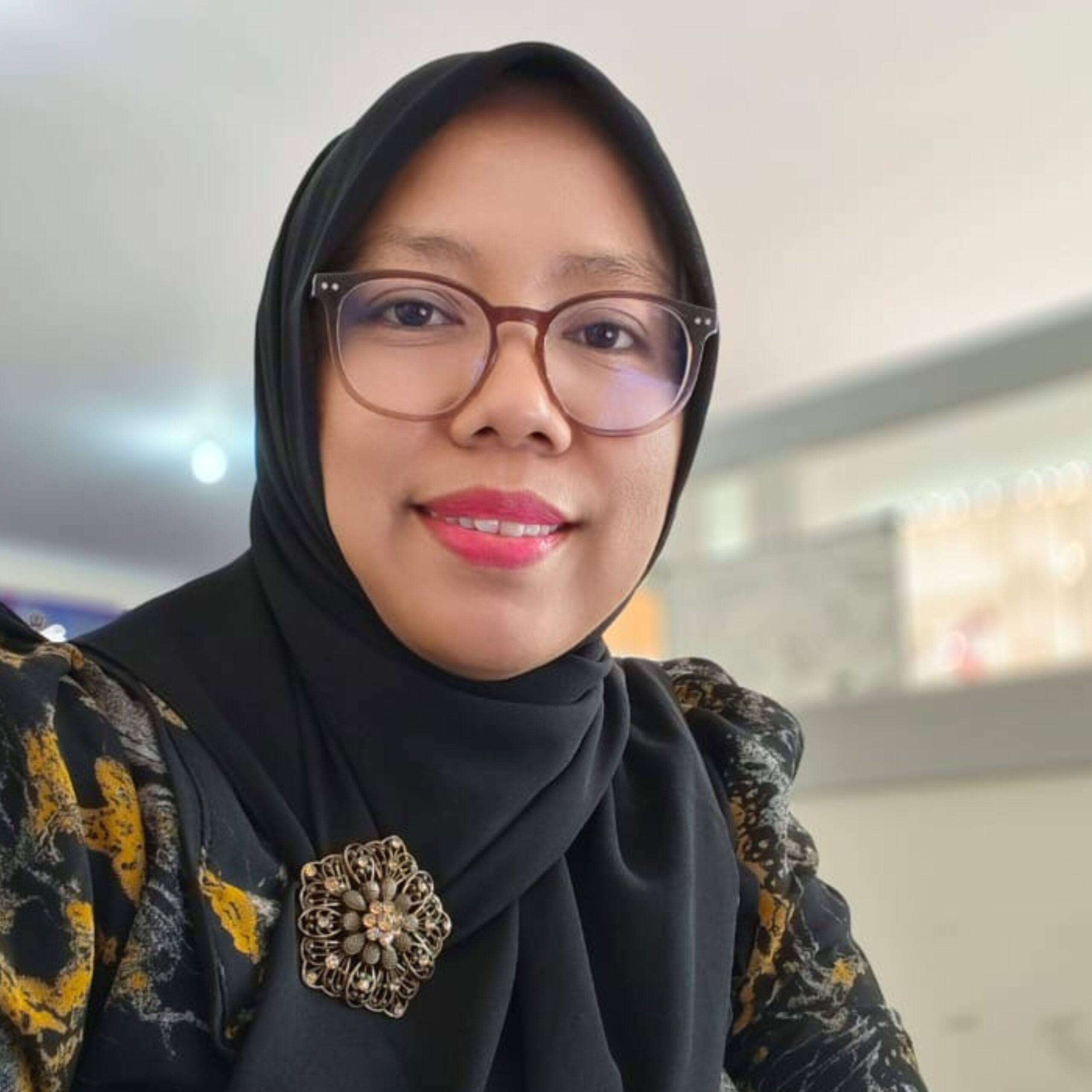
Prof. Dr. Wisma Yunita, M.Pd.
University of Bengkulu, Indonesiaersitas Bengkulu, Indonesia
Assoc. Prof. Dr. Hülya Tuncer
Çukurova University, Türkiye
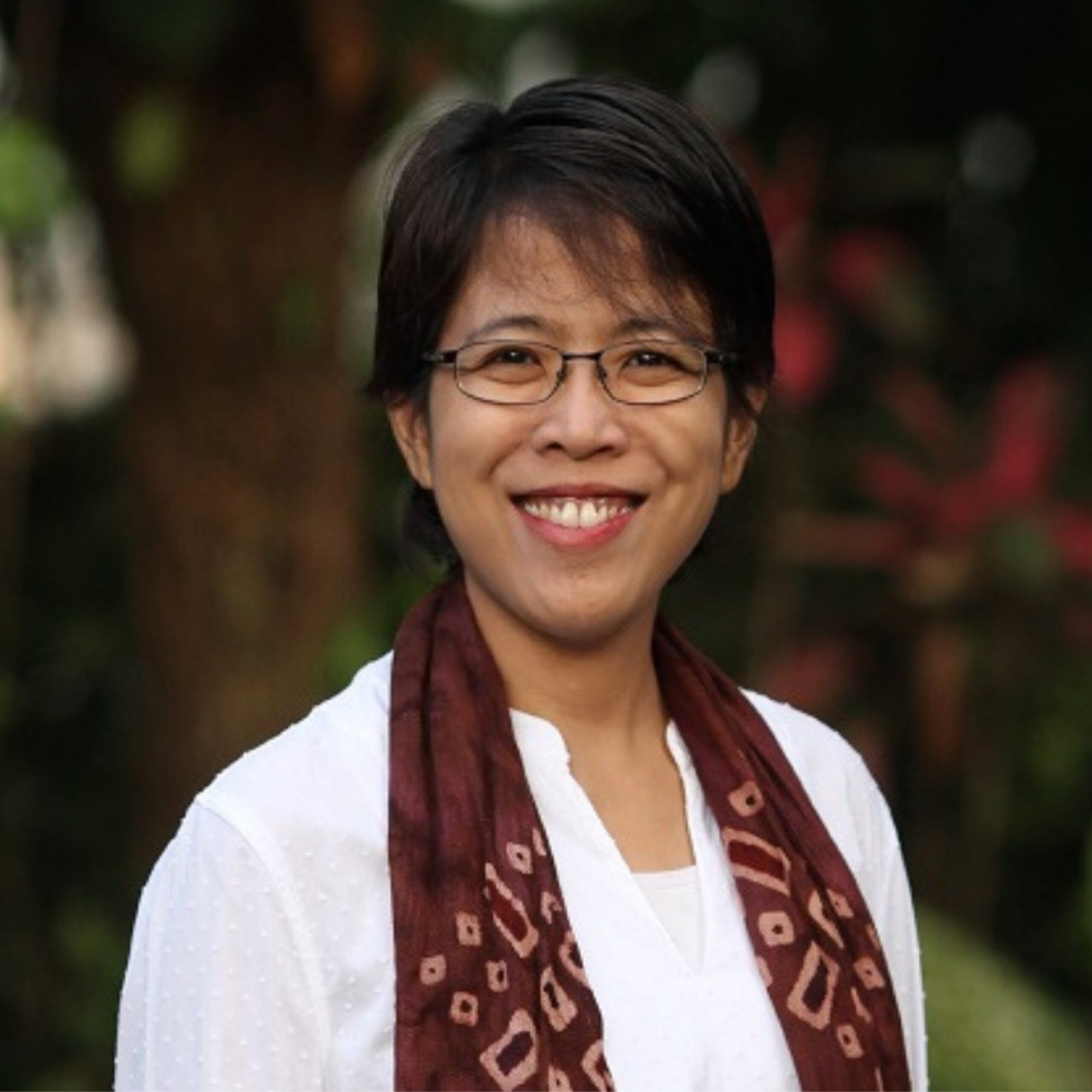
Dr. Finita Dewi, S.S., M.A.
Universitas Pendidikan Indonesia
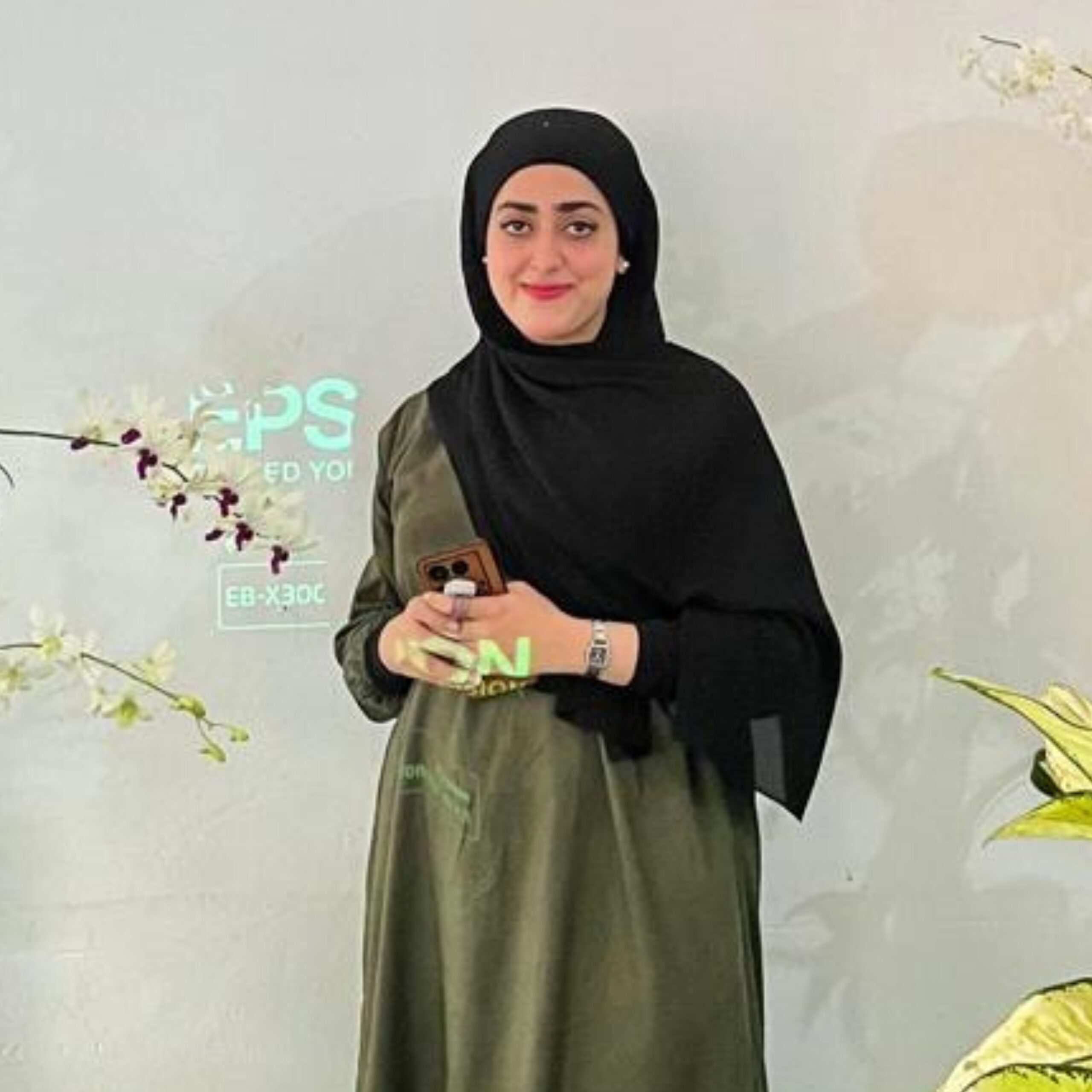
Mehreen Ayaz
Shaheed Benazir Bhutoo Women University of Peshwar, Pakistan
Registration & Payment
Registration can be done through the form provided. Visit link below for register
Registration fees can be made by bank transfer to the following bank account:
Bank Name : Bank BNI
Account Number : 2500002200
Account Name : RPL 016 BLU UNIB UNTUK DK
Contact
Ira Maisarah : (+6282176431304)
Nadya Ramadhanty : (+62895374848387)
Secretariat:
Jl. WR. Supratman kandang limun gedung FKIP UNIB Lab. pembelajaran Ruang Prodi S2 Bahasa Inggris (UNIB belakang), Kota Bengkulu, Muara Bangka Hulu, Bengkulu, Indonesia, 38122
Important Dates
Abstract Submission Deadline:
21 Oktober 2025
Notification of Abstract Acceptance:
24 Oktober 2025
Full Paper Submission & Payment:
02 November 2025
Conference Date:
08 November 2025
Call for Abstract
The abstract should meet the following requirements:
- 1. No more than 250 words in length.
- 2. Should provide an overview that contains the purpose and significance of the research/paper.
- 3. The title should not exceed 25 words.
Please indicate whether you would present either onsite (in person) or via Zoom.
The International Conference on the Teaching of English and Literature (ICOTEL) is an international conference organized by the English Education Postgraduate Program of FKIP, University of Bengkulu. This conference is held every year in November. This conference invites keynote speakers from several countries in the world. This conference aims to gather all scholars, academics, researchers, lecturers, teachers, and students to share ideas, experiences, and research findings in English education, literature, and linguistics, which impact creative and innovative language educators.
For the 6th ICOTEL, the theme is AI in Language Teaching, Linguistics, and Literature: Challenge and Opportunity. This year’s conference will explore the transformative impact of technology on modern language teaching and literature, highlighting innovative approaches that address the needs of learners in an increasingly digital world.
ICOTEL VI is proud to feature keynote speakers from across the globe, including:
Prof. Dr. Wisma Yunita, M.Pd.
University of Bengkulu, Indonesia
Assoc. Prof. Dr. Hülya Tuncer
Çukurova University, Türkiye
Dr. Finita Dewi, S.S., M.A.
Universitas Pendidikan Indonesia
Mehreen Ayaz
Shaheed Benazir Bhutoo Women University Peshwar, Pakistan
ICOTEL VI continues the tradition of fostering collaboration and innovation among language educators and researchers. The conference aims to not only enhance the teaching competence of its participants but also to contribute to the broader understanding of how technology is transforming education in the 21st century.
.
Abstracts for Presentations are Called on part of, One or More on the Following Areas
This theme explores the transformative impact of Artificial Intelligence on education, language sciences, literary studies, and artistic creativity. It encourages scholarly dialogue on how AI-based applications can enhance learning experiences, support linguistic and literary analysis, and even reshape the production and reception of art. The discussion also highlights ethical considerations, pedagogical implications, and cultural shifts resulting from AI integration in these fields.
The focus of this theme is on innovative strategies, practices, and technologies that are redefining language education. It welcomes research that examines digital platforms, blended learning, gamification, and other methods that foster learner autonomy and engagement. Special attention is given to approaches that address the challenges of multilingualism, intercultural communication, and globalized education.
This theme emphasizes new pedagogical practices that make the teaching of literature more dynamic, inclusive, and interactive. It covers the use of digital media, interdisciplinary methods, and critical perspectives that connect literary texts to contemporary issues. By exploring diverse innovations, this theme invites discussions on how literature education can foster empathy, cultural awareness, and critical thinking.
This theme explores the crucial role of digital literacy in an era dominated by technology and information flow. It invites research on how learners and educators develop critical digital skills to access, evaluate, and produce information responsibly. Furthermore, it addresses the intersection of literacy practices with information science, highlighting the importance of ethics, digital citizenship, and lifelong learning.
The relationship between linguistics and literature provides a fertile ground for interdisciplinary exploration. This theme focuses on how linguistic analysis can enrich literary interpretation and how literary texts offer insights into language use, style, and cultural representation. It encourages submissions that bridge the gap between the structural study of language and the interpretive study of literature.
This theme highlights creative ways of engaging students with literature to enhance comprehension, interpretation, and appreciation. It covers experiential learning, digital storytelling, and the integration of literature with other disciplines. The discussion emphasizes the role of innovation in nurturing students’ imagination, critical literacy, and cultural understanding through literary works.
The development of effective teaching materials is central to successful pedagogy, and this theme focuses on innovative practices in this area. It covers digital platforms, multimedia-based resources, and contextually relevant materials that meet the needs of diverse learners. The theme also invites contributions on how innovative material design can support inclusive education, learner autonomy, and meaningful learning experiences.
This theme investigates how meaning is constructed through multiple modes of communication, including verbal, visual, digital, and performative forms. It emphasizes the importance of critical literacy in helping learners question assumptions, uncover hidden ideologies, and challenge dominant narratives. By exploring multimodal texts, this theme contributes to a deeper understanding of literacy as both a cognitive and socio-cultural practice.
This theme centers on the continuous evolution of curriculum design and teaching methodologies in the field of language and literature. It welcomes research on outcome-based education, competency-based learning, and interdisciplinary curriculum innovations. The theme also highlights how effective teaching methods can respond to global educational demands while fostering creativity, inclusivity, and critical thinking.
Language is shaped by society, cognition, and the brain, and this theme explores these three dimensions in depth. It covers research on language variation, identity, language acquisition, cognitive processes, and neurological foundations of language. Scholars are invited to present studies that contribute to a better understanding of how language functions at social, psychological, and biological levels.
In today’s digital era, discourse unfolds across online platforms, social media, and multimodal environments. This theme focuses on methodological and theoretical approaches to analyzing language use in digital spaces. It welcomes studies that examine patterns of communication, identity construction, power relations, and cultural practices in digital discourse, contributing to both linguistic and social research.

Keynote Speakers

The International Conference on the Teaching of English and Literature (ICOTEL) is an international conference organized by the English Education Postgraduate Program of FKIP, University of Bengkulu. This conference is held every year in October. This conference invites keynote speakers from several countries in the world. This conference aims to gather all scholars, academics, researchers, lecturers, teachers, and students to share ideas, experiences, and research findings in English education, literature, and linguistics, which impact creative and innovative language educators.